The Science
CARBOHYDRATES
Carbohydrates are 1 of the 3 macronutrients
Two main classifications: simple carbs (sugars) and complex carbs (starches and fiber)
essential for athletes and performance
when thinking carbohydrates think ‘fuel’
carbohydrates are the major energy source at higher intensities (often seen in team sports)
research shows that carbohydrates have performance benefits for both endurance and power sports
‘sugar’ is often seen as a negative but is just misunderstood - there are many kinds of sugars, which are all carbohydrates, and are utilized for energy
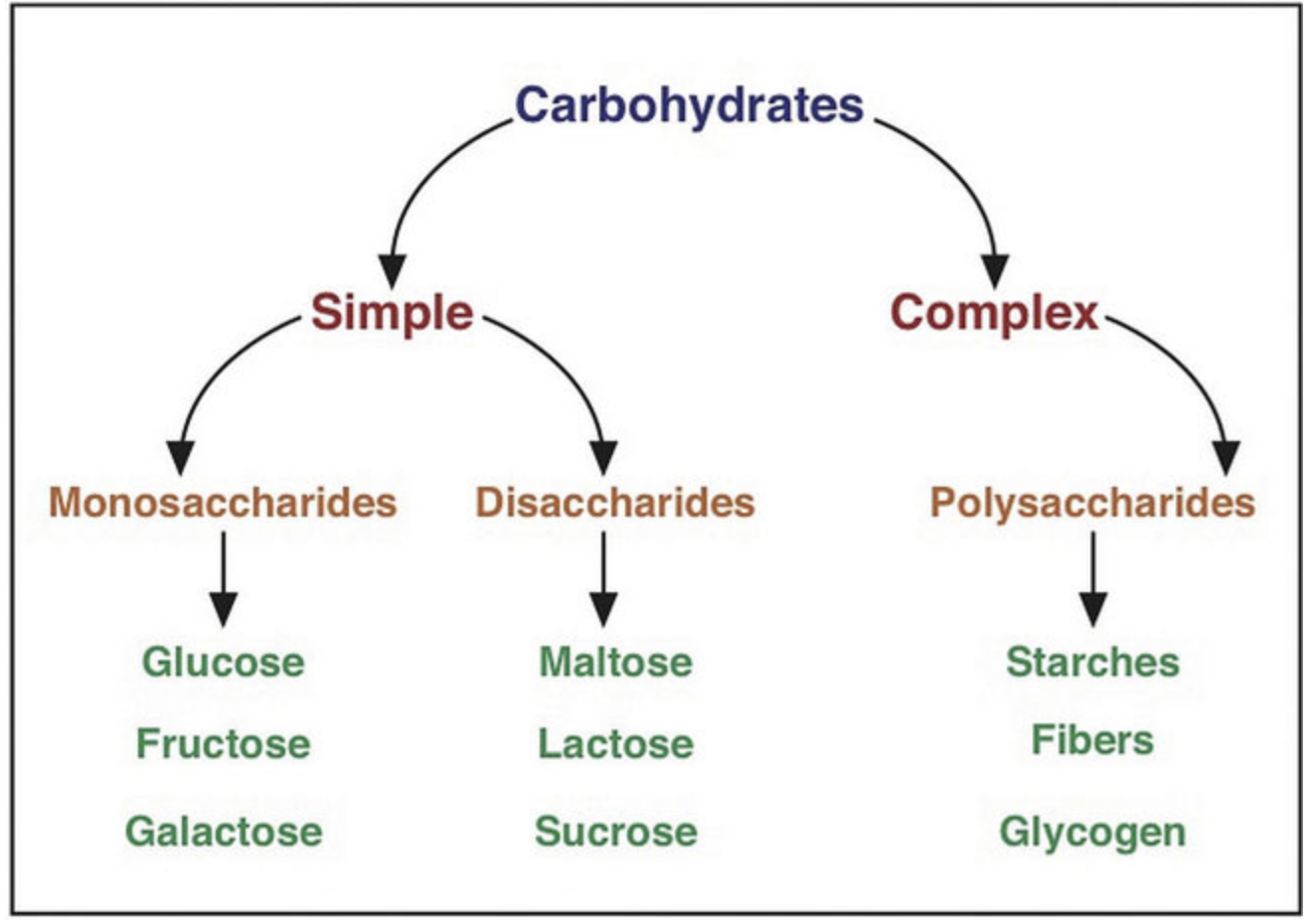
Types of Simple Sugars
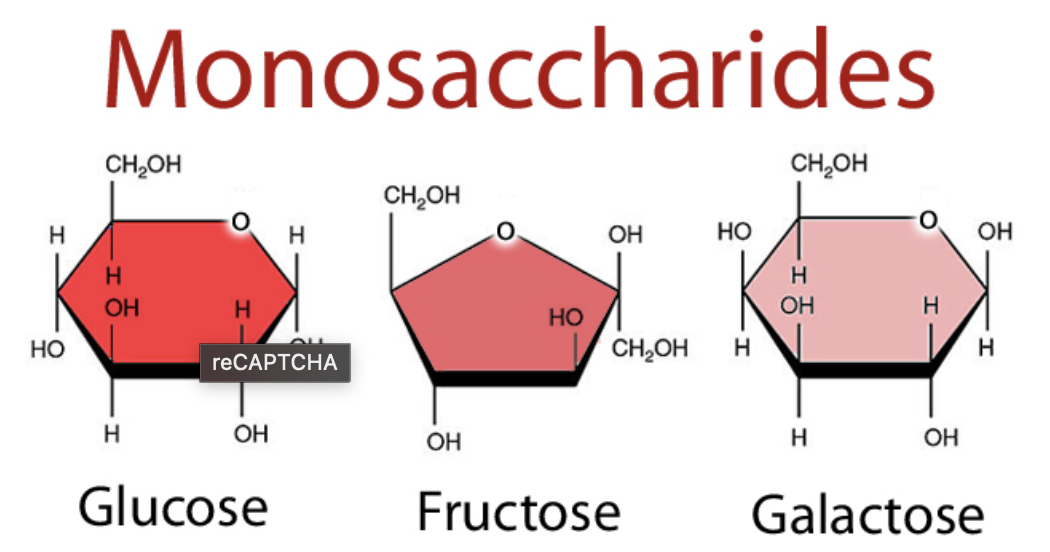
Monosaccharides - Single Sugar Units
1) Glucose - blood sugar, body’s main fuel
2) Fructose - found in fruits and honey
3) Galactose - found in dairy
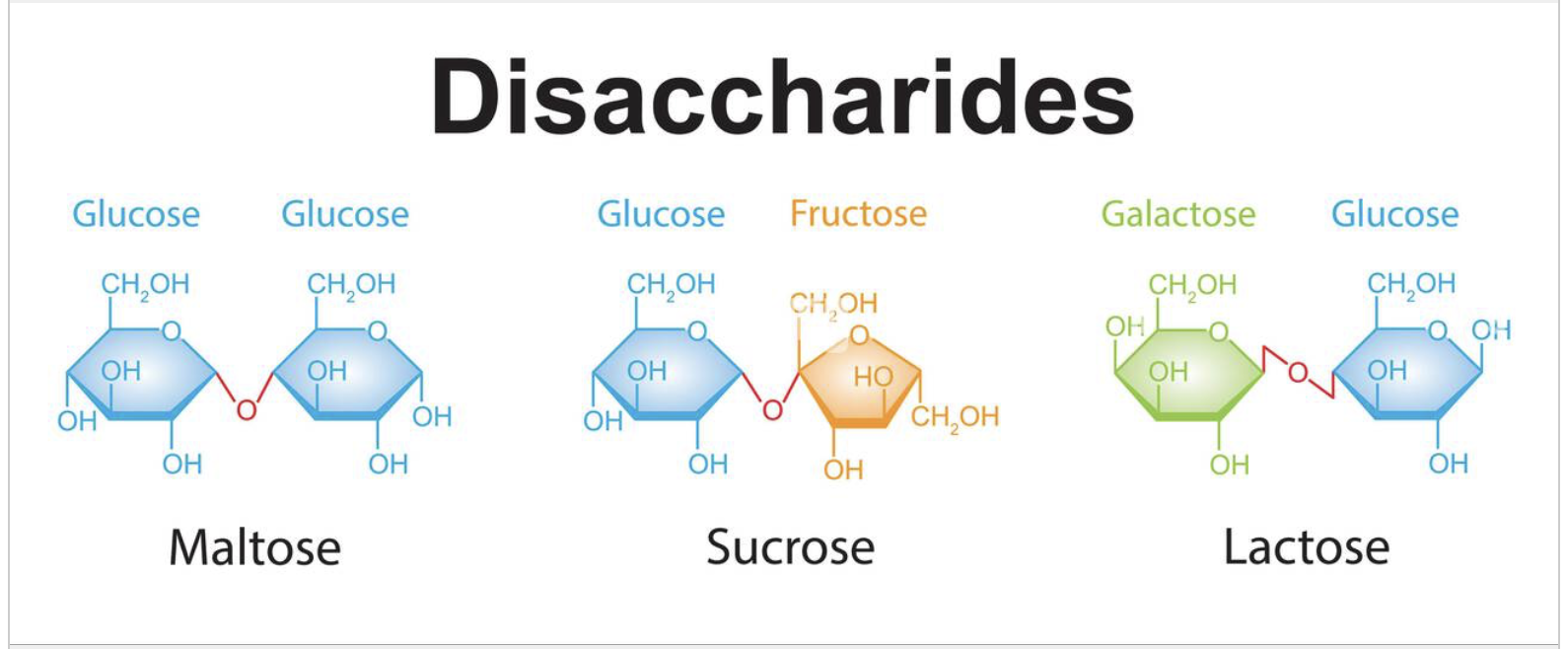
Disaccharides - Two Sugar Units Bonded
1) Sucrose - table sugar, naturally present in many plants
2) Lactose - milk sugar
3) Maltose - found in malt and beer
Why Maltodextrin & Fructose?
2:1 ratio of Maltodextrin:Fructose
Simple carbohydrates are broken down rapidly by the body
provide immediate energy
Glucose (from Maltodextrin) & Fructose have different intestinal transporters
Glucose: SGLT1
Fructose: GLUT5
Faster Delivery: combined ingestion yields higher oxidation rates aiding in glycogen replenishment
Greater oxidation rates versus glucose alone
Independent of body mass/muscle mass
Decreased gastrointestinal (stomach and gut) distress
Best for high-intensity and endurance exercise lasting greater than 1.5 hours
ELECTROLYTES
WHAT ARE THEY?
Electrolytes are essential minerals that carry an electrical charge when dissolved in water
They are vital for human and cellular function
The body does not produce them naturally so they must be replenished through diet
FUNCTIONS & PURPOSE
SODIUM
most abundant electrolyte in body
large (varying) losses in sweat
Fluid Regulation - dictates where water moves in body and helps with hydration
Nerve and Muscle Function - electrical charges needed for brain to send signals
CALCIUM
99% in body structural in bones and teeth
Key for transmitting nerve signals and controlling muscle
Enzyme and hormone secretion
Diet is primary source
42% Americans lack adequate calcium
MAGNESIUM
Helps cells turn nutrients to energy - ATP metabolism
Brain and Muscles rely on magnesium to perform job
Neurotransmitter release - necessary for muscle function
POTASSIUM
cells use potassium alongside sodium via sodium-potassium pump
critical to heart function
Fluid balance
Nerve and Muscle Function
CHLORIDE
2nd most abundant ion in body
large losses in sweat
Key to how cells maintain internal and external fluid balance
Helps maintain body’s natural pH balance
PHOSPHATE
Transports chemical compounds and molecules outside cells
Helps cells metabolize nutrients
key part of nucleotides - building blocks that make up DNA
What are the Benefits?
Offsets sweat losses - helps maintain hydration
Regulates cell function
Support muscle contraction and relaxation
Accelerates hydration via sodium-glucose co-transport
Hydration occurs faster than water alone
Prevent muscle cramping
Reduce cardiac strain - proper fluid and mineral levels preserve blood volume, meaning the heart does not have to pump harder or faster
Prevent excessive urination
NITRIC OXIDE MECHANISMS
What is Nitric Oxide??
Nitric Oxide (NO) is a gas that acts as a powerful signaling molecule
Nitric Oxide has been shown to help improve athletic performance;
vasodilation
improve circulation
regulate blood pressure
Beetroot juice and precursors like L-citrulline are converted by the body to NO
What does Nitric Oxide do in the Body?
Vasodilation: blood vessels widen which enhances blood flow
Greater blood flow = greater oxygen and nutrient delivery for active muscles
Reduces the Oxygen Cost of Exercise
Reduces oxygen demands at sub maximal exercise
Improves Muscle Efficiency
Lower perceived levels of exertion
Benefits for Athletes
Endurance Sports: improvements in time to exhaustion and time-trial performance
High-Intensity/Sprints: NO has shown improvements in repeated sprint ability and power output
Recovery: Increased blood flow and nutrient delivery can aid recovery between sessions or games
What Makes Kinetic Drive Unique?
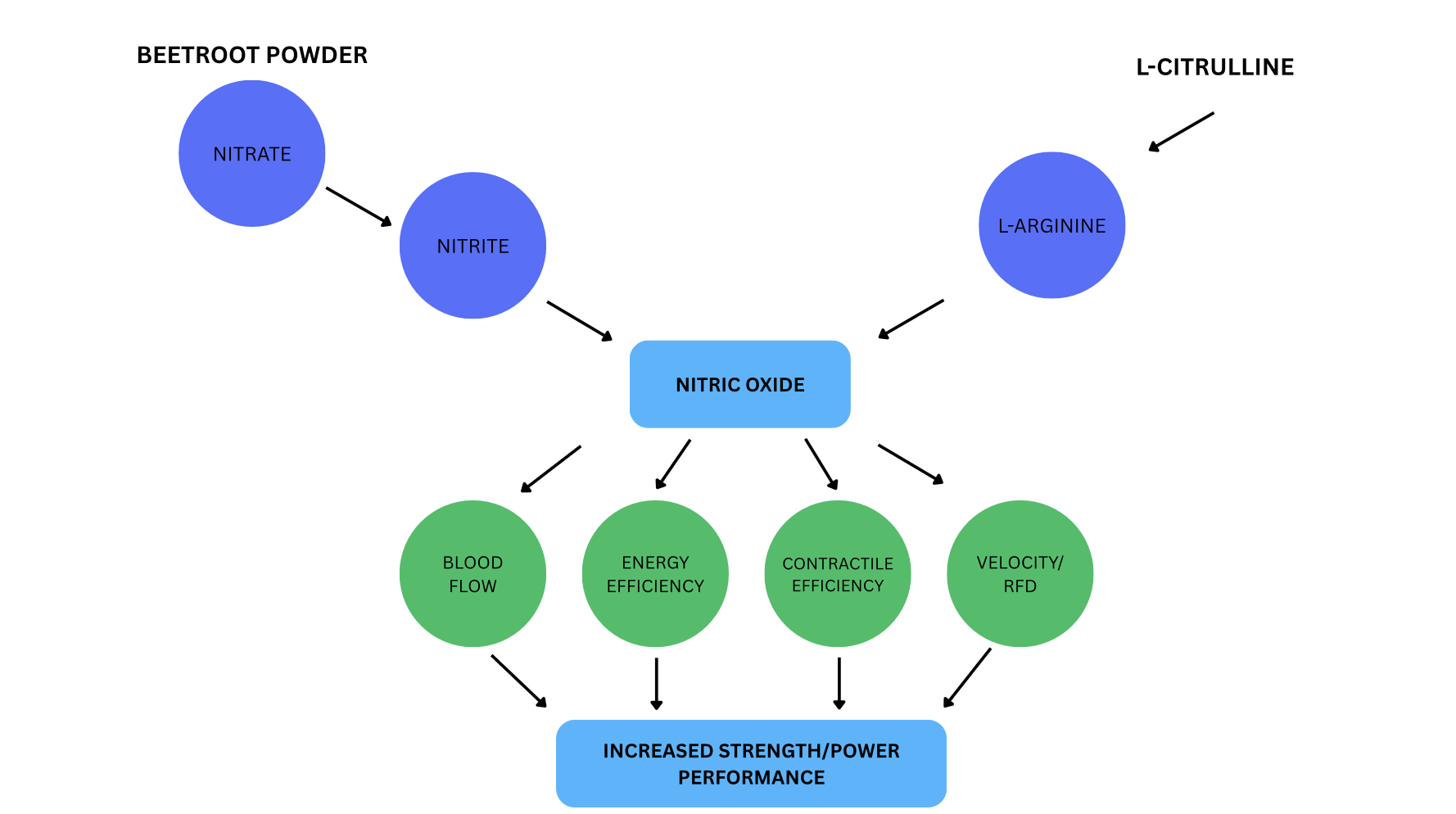
Along with carbohydrates and electrolytes, Kinetic Drive utilizes two distinct, but complementary pathways to boost Nitric Oxide
1) L-Citrulline: NOS-Dependent Route
L-Citrulline bypasses liver and converts to L-Arginine in the kidneys
This conversion fuels Nitric Oxide Synthase (NOS) enzyme
NOS acts as catalyst which converts L-arginine into NO
2) Beetroot Powder: Nitrate-Nitrite-NO Route
Rich in inorganic nitrate (NO3-)
Bacteria in mouth reduce nitrates to nitrite (NO2-)
Stomach acid and enzymes convert nitrites to nitric oxide (NO)
Highly active during times of low oxygen (high-intensity exercise)
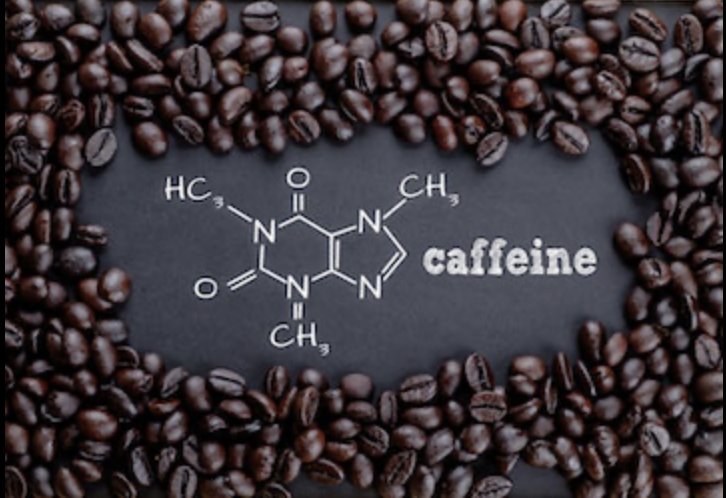
Why No Caffeine??
We wanted a product that offered a non-caffeine alternative that still provided performance benefits for athletes and is usable at all times of the day
Caffeine primarily blocks adenosine receptors in the brain which blunt fatigue, but do not provide energy
Caffeine has been scientifically proven to help performance
HOWEVER - often times it is utilized incorrectly
Peak effects occur 30-60 minutes after consumption
For performance benefits amounts of 3-5mg/kg must be taken
for a 150 lb. person that would be 205-341mg of caffeine, most pre-workouts are between 150-300mg which may work for some individuals but not everyone
Caffeine stays in the bloodstream for an average of 5 hours meaning it can have adverse effects for sleep when taken in evening
Caffeine can still be taken alongside our product to help enhance performance